
Harley‑Davidson service manuals guide owners through maintenance, repairs, and upgrades․ They contain schematics, torque specs, and troubleshooting steps, ensuring safety and performance․ Accessing these PDFs supports enthusiasts in keeping classic and modern bikes in top shape․ Reliable guidance bikes now․
Purpose and Use
Harley‑Davidson service manuals are the definitive reference for every owner, mechanic, and restoration enthusiast․ They provide step‑by‑step instructions for routine maintenance—oil changes, filter replacements, and fluid top‑ups—alongside detailed procedures for more complex tasks such as engine rebuilds, electrical diagnostics, and frame alignment․ Each manual includes torque specifications, part numbers, and schematic diagrams that help users verify that components are installed correctly and safely․ By following the prescribed procedures, riders can prevent common mechanical failures, extend the lifespan of critical parts, and maintain the iconic performance and reliability that Harley‑Davidson motorcycles are known for․ Additionally, the manuals serve as a valuable educational tool for new technicians, offering insights into the engineering principles behind the brand’s classic and modern models․ Whether troubleshooting a vibration issue, calibrating a throttle, or upgrading a suspension system, the service manual provides the authoritative guidance needed to execute repairs with confidence and precision․ They also include troubleshooting flowcharts for electrical and mechanical issues, a parts list with OEM numbers, and restoration guidelines for vintage models․ Using these resources, owners can perform quality work, reduce costs, and keep their bikes in peak condition․ Additionally, the manuals provide safety warnings and best‑practice tips that help prevent accidents during maintenance․ Empowers riders worldwide!

Core Content Overview
Harley‑Davidson service manuals are organized into modular sections that mirror the bike’s architecture․ The opening chapters present safety guidelines, tool lists, and a quick‑reference torque table; Subsequent parts cover the engine, detailing cylinder head removal, valve train inspection, timing chain tensioning, and oil‑change intervals․ The transmission section explains clutch assembly, gear ratios, and fluid replacement․ Electrical instructions include wiring diagrams, fuse locations, and diagnostic procedures for ignition, lighting, and instrumentation․ Suspension and brake modules provide frame alignment steps, shock adjustment, and brake pad replacement․ Fuel‑system pages outline carburetor cleaning, fuel‑filter replacement, and throttle cable tension․ Cooling‑system guidance covers radiator cleaning, coolant top‑ups, and thermostat checks․ Each chapter contains schematic diagrams, part‑number tables, and step‑by‑step photos․ A dedicated troubleshooting guide uses flowcharts to isolate common faults․ The parts catalog lists OEM numbers and cross‑references for aftermarket replacements․ Glossary definitions clarify technical terms, while appendices offer conversion charts, torque‑spec tables, and service‑interval schedules․ The manuals also provide model‑specific variations, ensuring that the correct procedures are followed for each year and engine type․ Digital PDFs are searchable, allowing quick access to torque tables or wiring diagrams․ The service manuals are updated annually, reflecting factory revisions and new safety regulations․ Users can download the PDFs for free from authorized sites, ensuring they have the latest version for accurate repairs․ The maintenance schedule lists recommended service intervals for oil changes, filter replacements, and component inspections, helping owners plan preventive care․ A performance‑upgrade section details how to install aftermarket parts while maintaining compliance with emission standards․ Finally, the troubleshooting section uses diagnostic questions to pinpoint issues such as misfires, low idle, or electrical failures, enabling technicians to quickly identify the root cause and apply the correct fix․
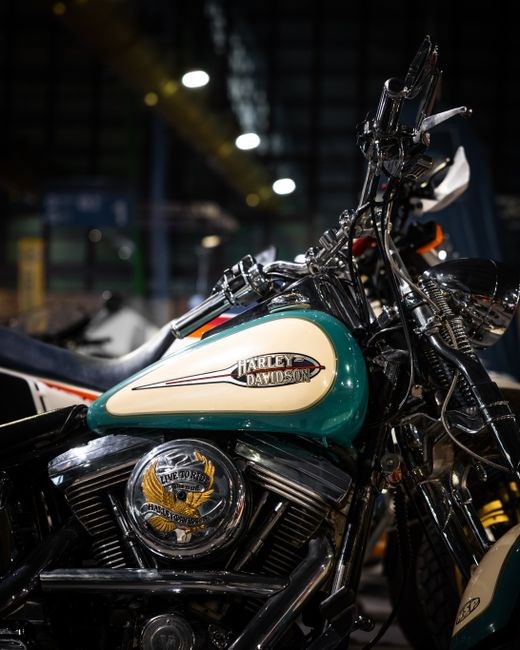
Finding Free PDF Downloads

Official Harley‑Davidson sites, reputable third‑party archives, and library portals offer free PDF downloads․ Verify version compatibility, check for updates, and use trusted sources to avoid corrupted files․ Always confirm the manual matches your bike’s year and engine type․ Download via secure links․
Official Harley-Davidson Resources
Harley‑Davidson’s official website hosts a dedicated service manual portal where owners can access PDFs for a wide range of models․ By creating a free account, users receive secure links to the latest revisions, ensuring they work with the correct year and engine type․ The portal also offers downloadable torque tables, wiring diagrams, and step‑by‑step repair guides․ In addition, the Harley Owners Group (HOG) community provides forums where certified technicians share insights and updates on newly released manuals․ Members can request specific documents through the HOG support system, and many receive direct PDF links from Harley’s technical team․ For classic models, the company’s “Classic Service Manual” collection is available for free download after verifying ownership․ These official resources guarantee accurate, up‑to‑date information, reducing the risk of errors during maintenance or restoration projects․ Users can also access the “Service Manual Library” via the Harley‑Davidson Mobile App, which syncs PDFs to tablets for offline use․ The app includes a search function that filters by year, model, and engine size, making it easy to locate the exact manual needed․ Additionally, the website offers a “Download History” feature that tracks previously accessed files, ensuring you never lose a document․ For those who prefer physical copies, Harley‑Davidson provides a “Print‑Ready PDF” option that formats the manual for high‑quality printing․ Finally, the official portal’s support team is available 24/7 via live chat, email, and phone, ready to assist with any download or compatibility questions․ Older model owners can download free PDFs from archive, old legacy knowledge․

Reputable Third-Party Sites
When the official portal falls short—whether due to limited model coverage or regional restrictions—many motorcycle enthusiasts turn to trusted third‑party repositories․ Below are the most reliable sources that consistently provide accurate, up‑to‑date Harley‑Davidson service manuals in PDF format, all available for free download․
- Harley-Davidson Service Manual Archive – A community‑run site that aggregates PDFs from the original Harley‑Davidson distribution lists․ The archive is organized by year, model, and engine type, and each file is cross‑checked against the manufacturer’s specifications․
- Motorcycle Manuals Online – This commercial site offers a free “view‑only” mode, allowing users to preview the entire manual before downloading․ The PDFs are scanned from the official source and are available in multiple languages․
- eManuals․com – Known for its extensive catalog, eManuals hosts a dedicated Harley‑Davidson section․ Users can download PDFs after a quick registration, and the site includes a built‑in search tool that filters by part number․
- PDF Drive – A large public repository that hosts user‑uploaded manuals․ While the quality varies, the site’s search filters and user ratings help locate the most accurate copies․
- Internet Archive – The Archive’s “Harley‑Davidson Manuals” collection contains scanned PDFs from the 1970s through the 2000s․ These files are free to download and are often accompanied by metadata that confirms authenticity․

When using third‑party sites, it’s essential to verify the PDF’s integrity by comparing the cover page, table of contents, and any included serial numbers against the official documentation․ This simple check helps avoid corrupted files or outdated revisions that could lead to costly mistakes during repairs․
Library and Archive Options
For those who prefer a more formal source, several public and university libraries now maintain digital collections of Harley‑Davidson service manuals․ The Harley‑Davidson Historical Society hosts a dedicated online portal that offers free access to PDFs of manuals dating from the 1950s through the 1990s․ Users can search by model, year, or engine type, and the portal provides a quick download link for each document․ Many state libraries, such as the California State Library and the New York Public Library, have digitized their motor‑vehicle collections and include Harley‑Davidson manuals in their e‑resource catalogs․ By logging in with a library card, patrons can stream or download the PDFs directly․
These archives also provide metadata such as publication dates, revision numbers, and ISBNs, which help verify authenticity before use․ Users can also request inter‑library loans for hard copies if a digital version is unavailable․
In addition, many digital libraries offer search features, allowing users to filter manuals by revision date or part number․ Some institutions provide PDF annotations and references to related service bulletins, which can be invaluable during complex repairs․ Users should also check the manual’s revision history to ensure they are working with the latest specifications, as older editions may contain torque values or disallowed components․
All files are freely downloadable․ Thanks․

Legal and Copyright Aspects
Harley‑Davidson manuals are copyrighted, but most owners may use them for repair and maintenance under fair‑use․ Unauthorized distribution is prohibited․ Always verify the manual’s copyright status and use only authorized sources or library copies․ Please respect the copyright and use only legitimate copies now․

Copyright Status
Harley‑Davidson service manuals are protected under U․S․ copyright law․ The company retains exclusive rights to reproduce, distribute, and modify the documents․ Most manuals are published after the 1976 Copyright Act, granting a 95‑year term from publication or 120 years from creation, whichever is shorter․ Consequently, PDFs found online without explicit permission are likely infringing copies․ Harley‑Davidson offers official digital editions through its website, which are licensed for personal, non‑commercial use․ Owners may purchase a single copy or subscribe to the Harley‑Davidson Digital Service Manual (DSM) portal, where updates and new models are released․ Some older manuals, especially those published before 1978, may have entered the public domain in certain jurisdictions, but this status is not guaranteed globally․ When using a manual for repair, it is best to verify the copyright notice, publication date, and the source of the PDF․ If the document carries a © symbol and a year, it is almost certainly still under protection․ For academic or repair purposes, a library or a licensed distributor is the safest route․ Always avoid downloading or sharing unverified copies, as that can expose users to legal liability and compromise the integrity of the repair process․ The company’s policy explicitly prohibits unauthorized distribution, and repeated infringements can result in civil penalties or cease‑and‑desist orders․ Therefore, while the manuals are essential tools for maintenance, respecting their copyright status protects both the user and the manufacturer’s intellectual property rights․ By consulting the official records, owners can be confident that they are accessing a legitimate, non‑infringing version of the manual․ This diligence not only safeguards against legal risk but also supports ongoing innovation and support from Harley‑Davidson․ Remember to keep the manual in a secure location and back it up digitally to prevent loss, as the original PDF is the definitive source for torque tables, wiring diagrams, and safety warnings․ Legal counsel can advise on specific licensing needs for commercial repair shops․
Fair Use for Repairs
In the United States, the doctrine of fair use permits limited use of copyrighted works without permission for purposes such as criticism, comment also news reporting, teaching, or research․ For motorcycle owners, the repair and maintenance of a Harley‑Davidson often necessitates referencing the official service manual․ Courts have repeatedly held that reproducing small excerpts—such as a single torque table, a wiring diagram, or a troubleshooting flowchart—constitutes fair use when the excerpts are essential for the repair and the user does not distribute the material beyond the scope of personal use․ The four factors of fair use are: (1) the purpose and character of the use, which is non‑commercial and transformative; (2) the nature of the copyrighted work, which is factual and technical; (3) the amount and substantiality of the portion used, which is minimal and limited to the specific information needed; and (4) the effect on the market, which is negligible because the user is not substituting the manual․ Many state‑level statutes also provide a “repair exception” that explicitly allows the use of copyrighted instructions for the repair of a tangible personal property․ For example, the California Copyright Act’s Section 106(3) states that “the owner of a copy of a copyrighted work may use that copy for the purpose of repairing or modifying the property․” While the federal law does not contain a blanket repair exception, the Supreme Court’s decision in Feist Publications, Inc․ v․ Rural Telephone Service Co․ clarified that copying a small portion of a technical manual for repair is permissible․ Nonetheless, the scope of fair use is narrow; large‑scale reproductions, public displays, or commercial distribution remain infringing․ Therefore, owners should limit their use to the minimal amount necessary, keep copies for personal reference only, and avoid sharing or posting the excerpts online․ When in doubt, consult the official Harley‑Davidson Digital Service Manual subscription or a licensed distributor to ensure compliance while maintaining the ability to perform essential repairs․

Popular Manual Collections
Harley‑Davidson enthusiasts often turn to curated collections that compile PDFs of classic and modern service manuals․ These repositories, hosted by dedicated fan sites and archival projects, provide quick access to wiring diagrams, torque tables, and troubleshooting guides, streamlining maintenanceand restoration
Softail Series Manuals
Softail models, from the 1969 Softail to the Street‑Glide, rely on detailed service manuals for upkeep and repairs․ Free PDF downloads are found on community archives, forums, and the Harley‑Davidson support portal․ The PDFs include wiring diagrams, torque specs, and step‑by‑step procedures for valve adjustments, transmission service, and electrical troubleshooting․ They also provide safety guidelines, service intervals, and troubleshooting charts․ Historical notes on factory specs and model‑year changes help restorers․ Modern revisions reflect emission controls and electronic updates․ Access is free through reputable sites, though some require registration or a donation․ Verify file size and checksum to avoid corruption․ These resources let owners maintain performance without shop visits․
Owners often share tips on locating sections quickly, using indexes or chapter titles for valve timing and electrical diagnostics․ Forums sometimes annotate PDFs, highlighting key points for easier reference; These manuals also cover aftermarket parts compatibility, enabling upgrades while staying within factory specs․ Studying torque tables and intervals helps extend bike life and avoid pitfalls․ Images aid part identification․ The community shares insights, making repairs more approachable․ Such resources keep the Softail legacy alive․ They are invaluable․

Sportster Series Manuals
Owners share annotated PDFs on HOG forums, highlighting torque values troubleshooting; These insights help avoid costly mistakes keep bikes reliable․ Manuals also cover aftermarket parts compatibility, upgrades staying within factory specs