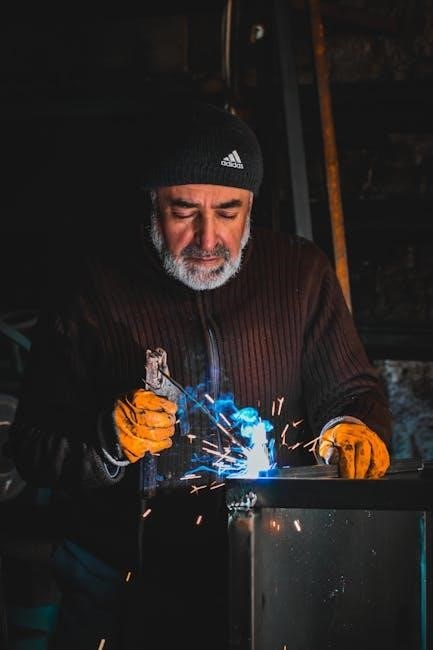
Lincoln AC 225 Arc Welder Manual: Article Plan
This comprehensive guide details the Lincoln AC/DC 225 welder‚ covering operation‚ safety‚ troubleshooting‚ and maintenance.
It references user manuals and discussions regarding Lincoln vehicle issues‚ specifically Nautilus and Navigator models‚ from 2020-2025.
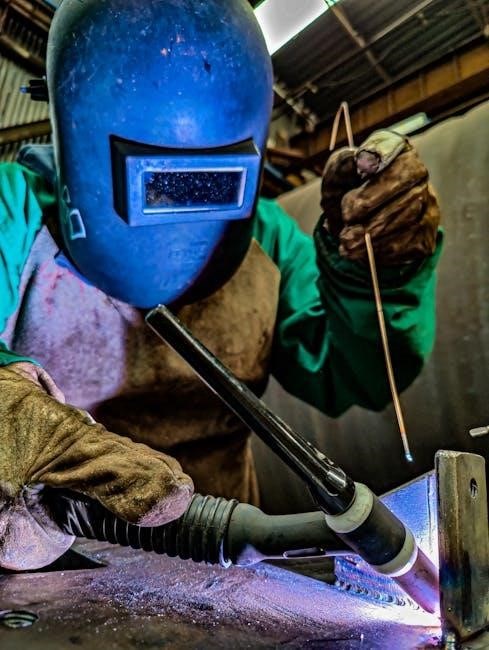
The plan includes sections on components‚ setup‚ welding techniques (SMAW)‚ and addressing common problems.
Information on Lincoln’s Rejuvenate feature and rotor fixes are noted‚ though unrelated to the welder itself.
The Lincoln AC 225 is a robust and versatile arc welder‚ renowned for its durability and simplicity‚ making it a favorite among both hobbyists and professionals; This machine‚ documented in user manuals available online (manualzilla)‚ has been a staple in the welding community for decades. It’s a constant current machine‚ primarily designed for shielded metal arc welding (SMAW)‚ commonly known as stick welding.
While recent discussions focus on Lincoln vehicles – Nautilus‚ Navigator‚ and Continental Mark series – and issues like battery problems‚ suspension glitches‚ and rotor fixes (spanning 2020-2025)‚ the AC 225 welder remains a separate‚ reliable piece of equipment. Its straightforward design allows for easy operation and maintenance‚ though understanding its features and safety precautions is crucial.
This manual aims to provide a complete overview of the AC 225‚ from understanding its components and setting it up correctly‚ to mastering welding techniques and resolving common issues. It’s a guide to maximizing the welder’s potential and ensuring safe‚ efficient operation‚ independent of the automotive concerns currently circulating online.
Safety Precautions
Welding with the Lincoln AC 225 presents inherent hazards that demand strict adherence to safety protocols. Electrical shock is a primary concern; always ensure the welder is properly grounded and work in a dry environment. Disconnect power before making any adjustments or repairs. Never touch live electrical parts.
Exposure to fumes and gases generated during welding is another significant risk. These fumes‚ containing metallic particles‚ can be harmful if inhaled. Adequate ventilation is essential – work in a well-ventilated area or use a fume extractor. Wear a properly fitted respirator to protect your lungs.
Additional precautions include wearing appropriate personal protective equipment (PPE): welding helmet with the correct shade lens‚ fire-resistant gloves‚ and protective clothing. Be mindful of fire hazards; keep flammable materials away from the welding area. While recent online discussions concern vehicle issues (Nautilus‚ Navigator – 2020-2025)‚ these do not diminish the critical need for welder-specific safety.
2.1 Electrical Shock Hazards
The Lincoln AC 225 operates on potentially lethal voltages‚ making electrical shock a paramount safety concern. Never operate the welder with damaged cables or connections. Inspect them regularly for cracks‚ fraying‚ or corrosion. Ensure proper grounding – connect the welder to a known earth ground using a properly sized grounding cable.
Avoid working in damp or wet environments‚ as water significantly increases the risk of electrical shock. Never touch the electrode or any metal part of the welding circuit while the power is on. Always disconnect the power source before making repairs or adjustments.
Be aware that even seemingly insulated components can become energized under fault conditions. While discussions online (regarding Lincoln vehicles from 2020-2025) highlight other issues‚ they underscore the importance of meticulous attention to detail – especially concerning electrical safety with the AC 225.

2.2 Fume and Gas Exposure
Welding with the Lincoln AC 225 produces fumes and gases that can be hazardous to your health. These include metal fumes‚ ozone‚ and nitrogen oxides. Adequate ventilation is crucial; work in a well-ventilated area or use a local exhaust ventilation system to remove fumes from the breathing zone.
Always wear an approved respirator when welding‚ especially in confined spaces. The type of respirator should be appropriate for the materials being welded. Be aware that some materials‚ like galvanized steel‚ produce particularly toxic fumes.
While online discussions (2020-2025 Lincoln vehicle issues) don’t directly relate to welding fumes‚ they emphasize the importance of addressing potential hazards proactively. Long-term exposure to welding fumes can lead to respiratory problems and other health issues. Prioritize personal protective equipment and ventilation to mitigate these risks.
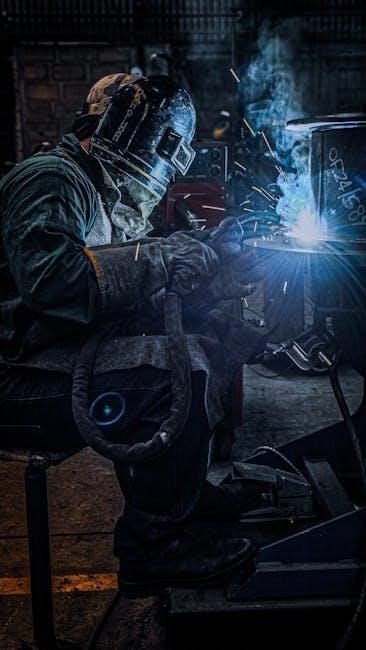
Welder Components and Features
The Lincoln AC 225 is a robust and versatile arc welder known for its simplicity and durability. Key components include the main transformer‚ welding leads (work clamp and electrode holder)‚ and the control panel. The welder’s casing provides protection for internal parts and aids in portability.
Notable features include its AC and DC output capabilities‚ allowing for welding of various materials. The amperage control allows for adjusting the welding current to match the electrode size and material thickness. While recent Lincoln vehicle discussions (2020-2025) highlight features like Air Glide suspension‚ these are unrelated to the welder’s functionality.
The AC 225 is designed for stick welding (SMAW) and offers a reliable power source for both home and professional use. Understanding these components and features is essential for safe and effective operation.
3.1 Understanding the Control Panel
The Lincoln AC 225’s control panel is straightforward‚ designed for ease of use even for beginners. The primary control is the amperage selector‚ a dial or switch used to adjust the welding current. This setting directly impacts arc intensity and weld penetration.
The panel typically features markings indicating amperage ranges suitable for different electrode sizes and material thicknesses. While recent Lincoln vehicle discussions (2020-2025) mention features like electronic throttles and suspension adjustments‚ these are irrelevant to the welder’s controls.
Familiarizing yourself with these markings is crucial for achieving optimal weld quality. Some models may include a polarity switch‚ allowing selection between DC electrode positive or negative‚ influencing weld characteristics. Proper understanding of the control panel ensures safe and efficient operation.
3.2 Duty Cycle and Overload Protection
The Lincoln AC 225‚ like all arc welders‚ operates within a defined duty cycle. This refers to the percentage of time it can weld continuously within a ten-minute period without overheating. Exceeding the duty cycle triggers the overload protection system.
Understanding this is vital to prevent damage and ensure longevity. The AC 225’s overload protection typically involves a thermal overload switch that shuts down the welder if it gets too hot. Recent discussions about Lincoln vehicles (2020-2025) and issues like battery concerns are unrelated to this feature.
Allowing the welder to cool down completely before resuming operation is essential after an overload trip. The specific duty cycle varies based on amperage setting; higher amperage equates to a lower duty cycle; Refer to the welder’s specifications for precise details.
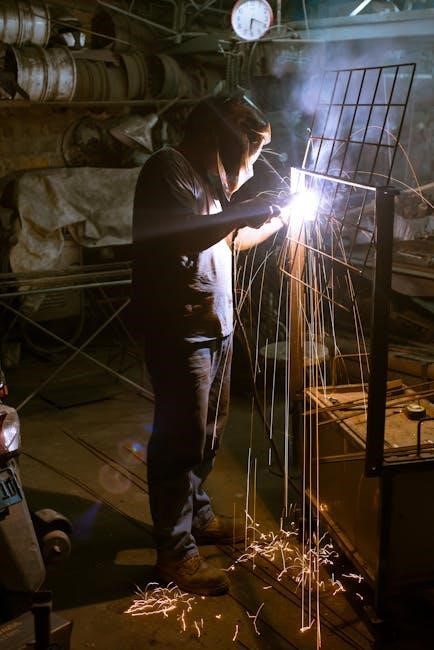
Setting Up the Lincoln AC 225
Proper setup is crucial for safe and effective operation of the Lincoln AC 225. Begin by ensuring the power source meets the welder’s requirements – typically 230V or 120V‚ depending on the model and input configuration. Verify the voltage matches your available power supply to avoid damage.
Grounding is paramount for electrical safety. Connect a heavy-gauge grounding cable securely to a known good ground‚ such as a grounded metal water pipe or grounding rod. Discussions regarding Lincoln vehicle issues (Nautilus‚ Navigator – 2020-2025) highlight the importance of system integrity‚ mirroring the need for a solid ground.
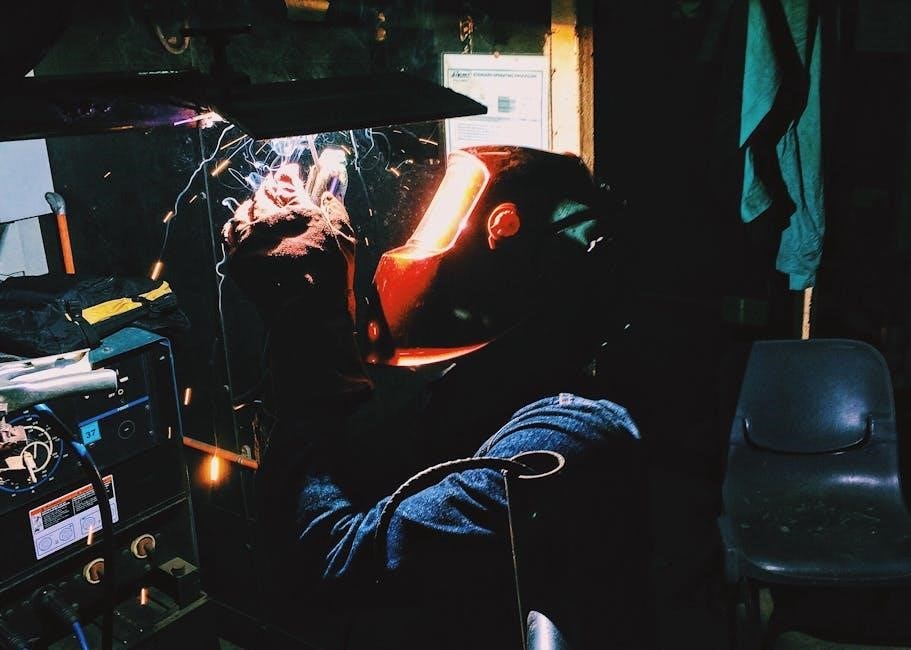
Connect the work cable to the workpiece and the electrode holder to the welder. Double-check all connections for tightness and insulation integrity before powering on. Always prioritize safety and follow all recommended procedures.
4.1 Power Source Requirements
The Lincoln AC 225 demands a dedicated power circuit to function correctly. Most models operate on either 120V or 230V input‚ with amperage requirements typically ranging from 30 to 50 amps. Always consult the welder’s nameplate and manual for precise specifications for your specific unit.
Using an undersized circuit can lead to blown fuses or tripped breakers‚ interrupting welding and potentially damaging the machine. Extension cords should be heavy-duty‚ rated for welding‚ and kept as short as possible to minimize voltage drop.
Similar to the electrical systems discussed in Lincoln vehicle forums (Nautilus‚ Navigator – 2020-2025)‚ a stable and sufficient power supply is critical for optimal performance. Fluctuations or insufficient power can cause inconsistent arc quality and potential equipment failure.
4.2 Grounding Procedures
Proper grounding is paramount for safety when operating the Lincoln AC 225. Connect the welder’s ground clamp to a known‚ good electrical ground – a grounded metal water pipe or a dedicated grounding rod are suitable options. Never ground to gas pipes or anything that could carry flammable materials.
Ensure the ground connection is clean and secure‚ as a poor connection increases the risk of electrical shock. The grounding conductor should be of sufficient gauge to handle the welding current.
Like the electrical concerns raised regarding Lincoln vehicles (2020-2025 models‚ particularly Nautilus battery issues)‚ a solid electrical connection is vital. A faulty ground can introduce stray voltage‚ posing a serious hazard to the operator and surrounding personnel. Regularly inspect grounding connections for corrosion or damage.
Welding Techniques with the AC 225
The Lincoln AC 225 excels in stick welding (SMAW)‚ offering versatility for various metals and thicknesses. Mastering arc length‚ travel speed‚ and work angle are crucial for quality welds. A consistent arc length‚ roughly equal to the electrode diameter‚ is a good starting point.
Similar to addressing issues in Lincoln vehicles like the Navigator (incentives and potential rattles‚ 2024-2025)‚ a methodical approach is key. Begin with practice welds on scrap metal to refine technique before tackling projects. Adjust amperage based on electrode type and material thickness.
Proper technique minimizes spatter and ensures adequate penetration. Remember that consistent results‚ like a reliable vehicle (avoiding Nautilus battery concerns)‚ require practice and attention to detail. Experiment with different settings to achieve the desired weld profile.
5.1 Stick Welding (SMAW) – Basic Principles
Shielded Metal Arc Welding (SMAW)‚ commonly known as stick welding‚ relies on a consumable electrode coated in flux. The AC 225 provides the power to create an arc‚ melting both the electrode and the base metal‚ forming a weld pool. Maintaining a stable arc is paramount‚ influenced by amperage‚ voltage‚ and electrode angle.
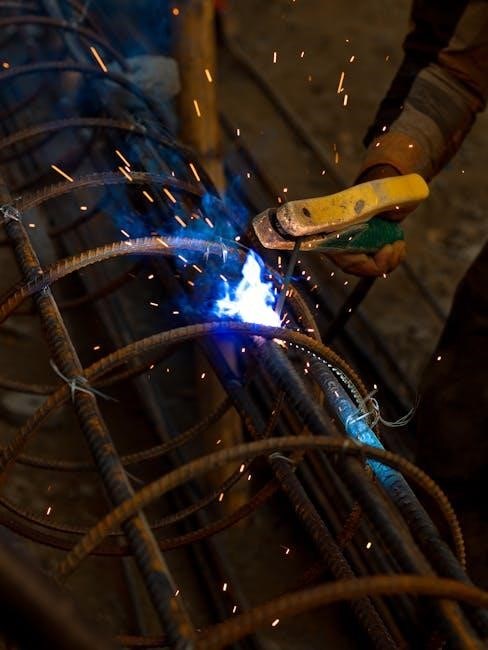
Like troubleshooting Lincoln Nautilus issues (dimming‚ 2024 builds)‚ understanding the fundamentals is essential. The flux shields the weld pool from atmospheric contamination‚ preventing porosity and ensuring weld integrity. Proper grounding‚ as with vehicle electrical systems‚ is critical for safety and performance.
Arc length dictates penetration and weld bead shape. A shorter arc provides deeper penetration‚ while a longer arc creates a wider‚ flatter bead. Consistent travel speed ensures a uniform weld. Mastering these principles‚ similar to addressing Lincoln Continental Mark series concerns‚ requires practice and patience.
5.2 Electrode Selection Guide
Choosing the correct electrode for your Lincoln AC 225 application is crucial for weld quality. Electrode selection depends on the base metal type‚ thickness‚ and desired weld characteristics. Common electrodes include E6010‚ E6011‚ E7018‚ and E7024‚ each offering unique properties.
E6010 is ideal for dirty or rusty steel‚ providing deep penetration‚ much like diagnosing issues in a 2024 Lincoln Navigator Reserve L. E6011 requires DC power and is suitable for similar applications. E7018‚ a low-hydrogen electrode‚ produces strong‚ ductile welds and is excellent for thicker materials.
E7024 offers fast travel speeds and smooth welds‚ but requires clean material. Amperage settings vary based on electrode diameter and material thickness – consult a welding chart. Similar to addressing Lincoln Corsair rattles‚ proper selection prevents future problems. Always prioritize safety and follow manufacturer recommendations.
Troubleshooting Common Issues
Even with a robust machine like the Lincoln AC 225‚ occasional issues can arise. A common problem is the welder failing to power on; check the power source‚ input voltage‚ and breaker. Inspect the power cable for damage‚ similar to investigating battery issues in a 2024 Nautilus Hybrid.
Poor arc starting can stem from several causes. Ensure a clean workpiece‚ correct polarity‚ and proper grounding. Try a different electrode or increase the amperage slightly. If the arc is unstable‚ reduce the amperage or shorten the arc length.
Overheating triggers overload protection; allow the welder to cool down. Like addressing rotor fixes targeting pre-June 2024 builds‚ systematic diagnosis is key. Refer to the manual for specific error codes and solutions. If problems persist‚ consult a qualified technician.
6.1 Welder Not Powering On
If your Lincoln AC 225 fails to power on‚ begin with the simplest checks. Verify the power cord is securely connected to a functioning outlet and the welder itself. Confirm the circuit breaker hasn’t tripped – reset if necessary. Check the input voltage against the welder’s specifications; incorrect voltage will prevent operation.
Inspect the power cable for any visible damage‚ such as cuts or exposed wires. A damaged cable poses a serious safety hazard and must be replaced. Examine the on/off switch for proper function; it may require cleaning or replacement.
Like diagnosing issues in a 2024 Lincoln Nautilus‚ a systematic approach is crucial. If the problem persists‚ consult the welder’s schematic diagram (found in the manual) to check for blown fuses or other internal faults.
6.2 Poor Arc Starting
Difficulty initiating an arc with your Lincoln AC 225 can stem from several causes. First‚ ensure a clean‚ scale-free electrode tip. Contamination hinders conductivity. Verify proper grounding – a weak ground connection is a frequent culprit. Adjust the amperage setting; too low‚ and the arc won’t strike; too high‚ and it may be unstable.
Check the work clamp’s connection to the workpiece. It must be firmly attached to bare metal. Experiment with slightly tapping the electrode against the workpiece to initiate the arc‚ but avoid sticking.

Similar to reported issues with the 2024 Nautilus Hybrid‚ intermittent problems can be frustrating. Inspect the electrode holder for corrosion or damage‚ as this impacts current flow. If using a new electrode‚ ensure it’s compatible with the material you’re welding. A faulty electrode can also cause starting issues.
Maintenance and Care
Regular maintenance extends the life of your Lincoln AC 225 and ensures optimal performance. After each use‚ thoroughly clean the exterior with a wire brush to remove spatter and flux residue. Inspect the power cable for damage – cracks or fraying pose a safety hazard. Check the work clamp and electrode holder for cleanliness and secure connections.
Periodically blow compressed air through the welder’s ventilation openings to prevent dust buildup‚ similar to addressing rattles in a Lincoln Corsair Reserve. Inspect the fan for proper operation; a malfunctioning fan can lead to overheating.
Like addressing issues in the 2024 Nautilus‚ preventative care is key. Lubricate moving parts as recommended in the manual. Store the welder in a dry environment to prevent corrosion. Consistent care minimizes downtime and maximizes welding efficiency.
7.1 Cleaning and Inspection
Routine cleaning and inspection are vital for maintaining your Lincoln AC 225’s reliability. Following each welding session‚ disconnect the power source and allow the welder to cool completely. Use a wire brush to remove spatter from the welding terminals‚ work clamp‚ and electrode holder – preventing build-up like rattles experienced in a Lincoln Corsair Reserve.
Inspect the power cable for any signs of damage‚ including cracks‚ fraying‚ or exposed wires. A damaged cable presents a serious electrical shock hazard. Check the condition of the ground clamp‚ ensuring a clean and secure connection.
Visually inspect the internal components through any accessible vents‚ looking for dust accumulation. Blow out dust with compressed air‚ similar to preventative maintenance on a 2024 Nautilus. Regular inspection identifies potential issues before they escalate.
7.2 Replacing Consumable Parts
The Lincoln AC 225 requires periodic replacement of consumable parts to ensure optimal performance. The electrode holder jaws wear over time due to heat and clamping force; replace them when they exhibit significant pitting or slippage. Similarly‚ the work clamp should be replaced if its clamping pressure diminishes or it becomes corroded.
Inspect the power cable periodically for wear and tear; If damage is detected‚ replace the entire cable – do not attempt repairs. Like addressing battery issues in a 2024 Nautilus Hybrid‚ proactive replacement prevents larger problems.
Fuses are critical safety components. Keep spare fuses of the correct amperage rating on hand and replace any blown fuses immediately. Refer to the welder’s specifications for the correct fuse type. Consistent maintenance‚ like rotor fixes targeting pre-June 2024 builds‚ extends the welder’s lifespan.
Lincoln AC 225 Specifications
The Lincoln AC 225 is a single-phase AC stick welder known for its robust construction and reliability. Input voltage is typically 120/240V‚ selectable to suit available power sources. Its output current range spans from 80 to 225 amps‚ accommodating various electrode sizes and material thicknesses.
The welder features a duty cycle of 20% at 225 amps‚ meaning it can weld at that amperage for 2 minutes out of every 10 before requiring a cool-down period. Open-circuit voltage is approximately 75V. Weight is around 68 pounds (31 kg)‚ making it relatively portable.
Like the Lincoln Nautilus’s reported issues‚ understanding these specifications is crucial for proper operation. The AC 225 utilizes a fan-cooled system and requires proper ventilation. It’s designed for use with electrodes ranging from 5/32″ to 3/8″ in diameter‚ similar to the attention to detail in Lincoln vehicle builds.
Available Accessories
Numerous accessories enhance the functionality of the Lincoln AC 225‚ expanding its versatility. Essential items include electrode holders‚ ground clamps‚ and welding cables of varying lengths‚ ensuring a secure connection and efficient current flow.
Welding helmets with auto-darkening filters are highly recommended for eye protection‚ similar to the advanced features found in newer Lincoln vehicles like the Navigator. Hand shields and protective clothing‚ such as gloves and jackets‚ are also vital for personal safety.
Additional accessories include chipping hammers and wire brushes for slag removal‚ and a welding cart for improved portability. Like the Lincoln Corsair’s rattle concerns‚ proper accessory maintenance is key. Replacement parts‚ such as contact tips and nozzles‚ are readily available‚ mirroring the availability of rotor fixes for the Nautilus.