Lake Ray Hubbard Fishing Guide: An Overview
Ray Hubbard offers diverse angling, from bass to catfish and crappie, attracting both novice and seasoned fishermen.
The lake’s ecosystem supports thriving fish populations, ensuring memorable experiences for all skill levels.
Lake Ray Hubbard, a sprawling 64,600-acre reservoir east of Dallas, Texas, stands as a premier fishing destination in the region. Created in 1968 by damming the East Fork of the Trinity River, it quickly became renowned for its abundant fish populations and scenic beauty. The lake’s diverse habitat, including submerged timber, rocky points, and expansive flats, supports a wide variety of species, making it a haven for anglers of all types.
Whether you’re targeting trophy largemouth bass, feisty crappie, or channel and blue catfish, Ray Hubbard consistently delivers exciting fishing opportunities. Its proximity to major metropolitan areas, coupled with numerous boat ramps and marinas, makes it easily accessible to both locals and tourists. This guide will provide an in-depth look at the lake’s fisheries, techniques, and essential information for a successful fishing trip.
Historical Background of the Lake
Lake Ray Hubbard’s origins trace back to the need for a reliable water supply and flood control for the rapidly growing Dallas-Fort Worth metroplex. Construction began in 1965, spearheaded by the U.S. Army Corps of Engineers, and the dam was completed in 1968, impounding the East Fork of the Trinity River. The project involved the relocation of several communities and significant land acquisition, transforming a largely rural area into a recreational and water resource hub.
Named after Ray Hubbard, a long-serving state representative who championed the project, the lake quickly became a popular destination for boating, water skiing, and, crucially, fishing. Initial stocking efforts focused on establishing robust populations of largemouth bass, crappie, and catfish, laying the foundation for the thriving fisheries enjoyed today. Over the decades, careful management practices have ensured the lake’s continued ecological health and angling success.
Geographical Features and Size
Lake Ray Hubbard sprawls across 66,700 acres, boasting a shoreline stretching over 227 miles, providing ample access points and diverse fishing habitats. Located approximately 20 miles east of Dallas, Texas, the lake’s maximum depth reaches around 80 feet, though much of the reservoir is relatively shallow, fostering abundant aquatic vegetation. The surrounding terrain is characterized by rolling hills, wooded areas, and residential developments.
The lake’s irregular shape, with numerous coves, points, and submerged structures, creates varied conditions ideal for different fish species and fishing techniques. The East Fork of the Trinity River serves as the primary inflow, while controlled releases through the dam manage water levels and downstream flow. Understanding these geographical features is crucial for locating productive fishing spots and adapting strategies to changing conditions.
Target Fish Species
Ray Hubbard teems with largemouth bass, blue and channel catfish, and crappie, alongside white bass and sunfish, offering diverse angling opportunities for enthusiasts.
Largemouth Bass Fishing
Largemouth bass are a primary draw for anglers at Lake Ray Hubbard. These fish thrive in the lake’s diverse habitats, including submerged timber, rocky points, and weed lines. Successful bass fishing requires understanding their seasonal movements and preferred feeding patterns. During the spring, bass move into shallow waters for spawning, becoming aggressive and readily taking lures. Summer bass often seek cooler depths, requiring anglers to adjust their techniques.
Fall brings a flurry of activity as bass feed heavily to prepare for winter. Winter bass tend to congregate in deeper areas, becoming less active but still catchable with slow presentations. Mastering these seasonal patterns is crucial for consistent success. Utilizing a variety of techniques, from topwater lures to deep-diving crankbaits and Texas-rigged plastics, will increase your chances of landing a trophy bass at Ray Hubbard.
Seasonal Bass Fishing Patterns
Spring at Lake Ray Hubbard sees bass in pre-spawn, spawn, and post-spawn phases, favoring shallow, protected coves and flats. Target areas with warmer water temperatures. Summer pushes bass deeper to escape the heat; focus on ledges, submerged timber, and creek channels using Carolina rigs or deep-diving crankbaits.
Fall triggers a feeding frenzy as bass prepare for winter. They’ll chase baitfish in creeks and along points. Utilize spinnerbaits and crankbaits. Winter finds bass holding in deeper structure, requiring slow presentations with jigs or Texas-rigged worms. Understanding these shifts is key. Water temperature and clarity significantly influence bass location and behavior throughout the year, demanding adaptable strategies for consistent success.
Best Lures for Bass
For Lake Ray Hubbard bass, versatility is crucial. Spinnerbaits excel in stained water and around structure, attracting aggressive strikes. Crankbaits, especially deep-diving models, are effective for covering water and targeting ledges. Texas-rigged worms and jigs are ideal for slow presentations in deeper water or around heavy cover.
Plastic worms in various colors, mimicking crawfish or baitfish, consistently produce. Topwater lures, like buzzbaits and frogs, are deadly during early morning or late evening in warmer months. Don’t overlook Carolina rigs for presenting baits slowly along the bottom. Matching lure color to water clarity and prevalent forage is vital for maximizing your catch rate throughout the seasons.
Catfish Fishing
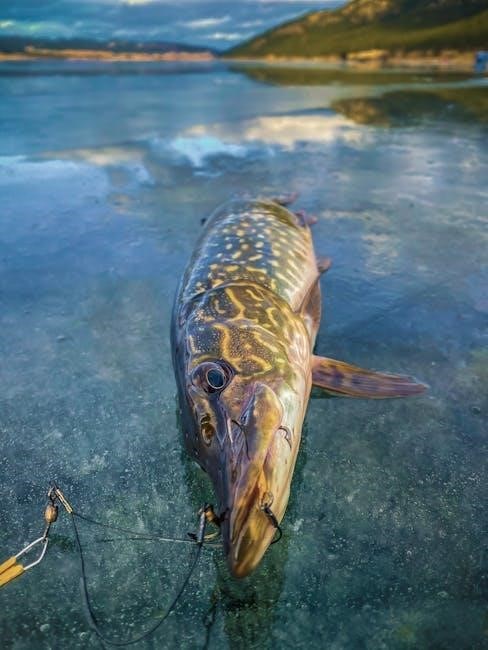
Lake Ray Hubbard boasts excellent catfish opportunities, primarily channel, blue, and flathead catfish. Channel catfish are most abundant and readily bite on a variety of baits. Blue catfish grow to impressive sizes, favoring deeper areas and cut bait. Flathead catfish are ambush predators, often found near structure and preferring live bait.
Successful catfish angling relies on understanding their feeding habits. Stinkbaits, prepared baits, and cut shad are consistently effective. Drift fishing or bottom fishing with a Carolina rig are popular techniques. Targeting creek channels, submerged timber, and areas near the dam often yields results. Night fishing is particularly productive for larger catfish.
Types of Catfish in Ray Hubbard
Lake Ray Hubbard is home to three primary catfish species: channel catfish, blue catfish, and flathead catfish. Channel catfish are the most frequently caught, known for their relatively smaller size and willingness to bite on various baits. They thrive in shallower, more oxygenated waters.
Blue catfish are the giants of Ray Hubbard, capable of reaching substantial weights. They prefer deeper sections of the lake and are often attracted to cut bait offerings. Flathead catfish are ambush predators, typically found near submerged structures like timber and rocks, and favor live bait like sunfish or shad. Identifying the species helps anglers tailor their techniques for optimal success.
Effective Catfish Bait and Techniques
For catfish in Lake Ray Hubbard, several baits consistently produce results. Cut shad is a top choice, especially for blue catfish, due to its strong scent and oily texture. Live shad and sunfish excel for targeting larger flathead catfish near structure. Stinkbait and commercially prepared catfish dough baits are effective for channel catfish in shallower areas.
Effective techniques include bottom fishing with a Carolina rig or a three-way swivel. Utilizing a slip bobber allows for suspending bait at desired depths. Drifting with cut bait along channel edges can also be productive. Remember to use heavy weights to maintain bottom contact in the lake’s currents and varying depths.
Crappie Fishing
Crappie fishing on Lake Ray Hubbard is popular, particularly during the spring spawn. These fish congregate around submerged brush piles, timbered areas, and creek channels. Targeting these structures is key to locating productive crappie populations. Both white crappie and black crappie inhabit the lake, offering anglers diverse opportunities.
Successful crappie anglers often employ a slow presentation, utilizing jigs and minnows. Light tackle and sensitive rods are essential for detecting subtle bites. Varying jig colors and sizes can help determine what the crappie are preferring on any given day. Don’t underestimate the power of a simple minnow under a bobber!
Crappie Spawning Season
Lake Ray Hubbard’s crappie spawning season typically occurs from late February through April, coinciding with warming water temperatures. During this period, crappie move into shallow coves and creeks, seeking out vegetation and submerged structures for nesting. This is prime time for anglers, as crappie become more concentrated and aggressive.
Focusing on areas with brush piles, standing timber, and shallow flats near creek channels will increase your chances of success. Water clarity plays a role; slightly stained water often holds more spawning crappie. Slow presentations are crucial, as fish are focused on reproduction and may not chase fast-moving lures. Remember to practice responsible angling and release larger breeding females.
Jig Fishing for Crappie
Jig fishing is exceptionally effective for crappie on Lake Ray Hubbard, particularly around submerged structures. Opt for 1/32oz to 1/16oz jigs, depending on depth and current. Popular colors include chartreuse, white, pink, and black/chartreuse combinations. Pairing jigs with soft plastic trailers, like curly tails or tubes, adds enticing action and scent.
Employ a slow, deliberate retrieve, allowing the jig to fall naturally. Experiment with different retrieve speeds and jigging motions – subtle hops, pauses, and even dragging the jig along the bottom can trigger strikes. Light-action rods and sensitive line (4-6lb test) are essential for detecting subtle bites. Consider using a bobber to suspend the jig at a specific depth.
Fishing Techniques & Strategies
Lake Ray Hubbard demands adaptable tactics; mastering deep and shallow water approaches, alongside utilizing fish finder technology, significantly boosts angling success.
Deep Water Fishing Techniques
Lake Ray Hubbard’s deeper sections, particularly during warmer months, become havens for fish seeking cooler temperatures and oxygenated water. Successful deep-water fishing relies on understanding structure – submerged humps, creek channels, and ledges – which concentrate fish. Carolina rigs, Texas rigs with heavier weights, and drop-shot rigs excel at presenting baits slowly and effectively near the bottom.
Jigging spoons and deep-diving crankbaits are also productive, especially when fish are actively feeding. Utilizing your fish finder is crucial; identify thermoclines and structure, then target those areas precisely. Pay attention to wind direction, as it can influence fish positioning. Slow presentations are often key, as fish in deeper water may not expend energy chasing fast-moving lures. Experiment with different retrieves and bait colors to determine what triggers strikes.
Shallow Water Fishing Techniques
Lake Ray Hubbard’s shallow areas, brimming with vegetation and structure, are prime locations, especially during spring spawning seasons and fall feeding frenzies. Topwater lures – buzzbaits, frogs, and walking baits – create exciting strikes when fish are actively hunting near the surface. Spinnerbaits and shallow-diving crankbaits are effective for covering water quickly and triggering reaction bites.
Texas-rigged worms and creature baits excel around docks, submerged timber, and weed lines. Accurate casting is vital in shallow water, as fish often hold tight to cover. Vary your retrieve speed and presentation to find what works best. Polarized sunglasses help you spot fish and structure. Be mindful of sunlight direction, as it can affect visibility. Focus on areas with incoming or outgoing current, as these attract baitfish and predators.
Using Electronics (Fish Finders)
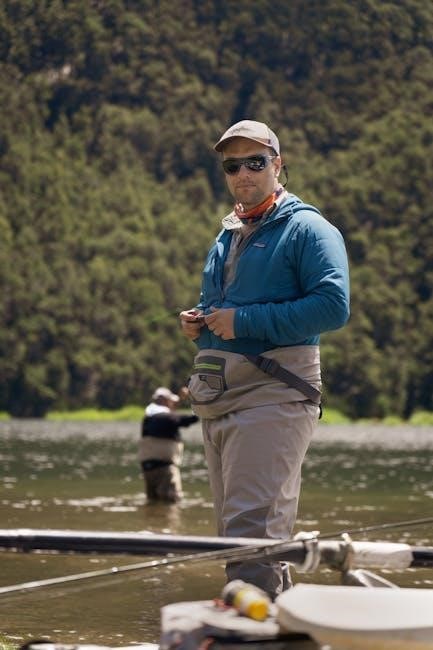
Fish finders are invaluable tools on Lake Ray Hubbard, revealing underwater structure, depth changes, and fish location. Understanding your unit’s features – sonar, down imaging, side imaging, and GPS – maximizes its effectiveness. Focus on locating submerged humps, creek channels, points, and timber, as these often hold fish.
Interpreting sonar returns requires practice; distinct arches typically indicate fish. Pay attention to baitfish schools, as predators often congregate nearby. Utilize side imaging to scan large areas quickly, identifying cover and fish holding structure. Mark waypoints on productive spots for future reference. Combine electronics with knowledge of seasonal fish patterns for optimal results. Remember that electronics are aids, not guarantees; adjust your strategy based on observed conditions.
Boating and Access
Lake Ray Hubbard boasts numerous public boat ramps and marinas offering rentals. Always check current lake regulations and ensure proper licensing before launching your vessel.
Public Boat Ramps
Lake Ray Hubbard provides anglers with convenient access through a variety of publicly maintained boat ramps strategically located around the shoreline. These ramps cater to different vessel sizes and offer varying amenities, including parking facilities and nearby restrooms. Popular options include the ramps at John Bunker Sandhills State Park, offering a well-maintained launch point and access to expansive fishing areas.
Other frequently used public ramps are found at Chandler’s Landing and Lawson Road. It’s crucial to check the lake’s water levels before heading out, as low levels can affect ramp usability. During peak seasons and weekends, these ramps can become crowded, so arriving early is highly recommended. Many ramps are free to use, while some state park ramps may require a small daily usage fee or a valid state parks pass. Always prioritize safety and ensure your vehicle is properly secured before launching.
Marinas and Boat Rentals
Lake Ray Hubbard boasts several full-service marinas offering a comprehensive range of amenities for boaters and anglers. These marinas provide secure boat storage, fueling services, tackle shops stocked with essential gear, and often, on-site restaurants and lodging. Popular marinas include Chandler’s Landing Marina and Ray Hubbard Marina, both known for their well-maintained facilities and friendly staff.
For those without their own boats, numerous rental options are readily available. Several marinas and independent rental companies offer a variety of boats, from bass boats and pontoons to ski boats, catering to different fishing styles and recreational needs. Rental rates vary depending on the boat type and rental duration. Booking in advance, especially during peak season, is strongly advised to secure your desired vessel. Remember to inquire about safety equipment and lake navigation guidelines before heading out on the water.
Lake Regulations and Licensing
Lake Ray Hubbard, managed by the Texas Parks and Wildlife Department (TPWD), adheres to specific fishing regulations designed to conserve fish populations and ensure sustainable angling. A valid Texas fishing license is required for anyone 17 years or older to fish in the lake. Licenses can be purchased online through the TPWD website, at authorized retailers, or via the My Texas Outdoors mobile app.
Regulations include bag limits, size restrictions, and gear restrictions for various fish species. It’s crucial to consult the current TPWD Outdoor Annual for detailed information on these regulations, as they can change periodically. Boating regulations, including required safety equipment and operating rules, also apply. Always prioritize safety and responsible fishing practices to protect the lake’s resources and ensure a positive experience for everyone.
Seasonal Fishing Calendar
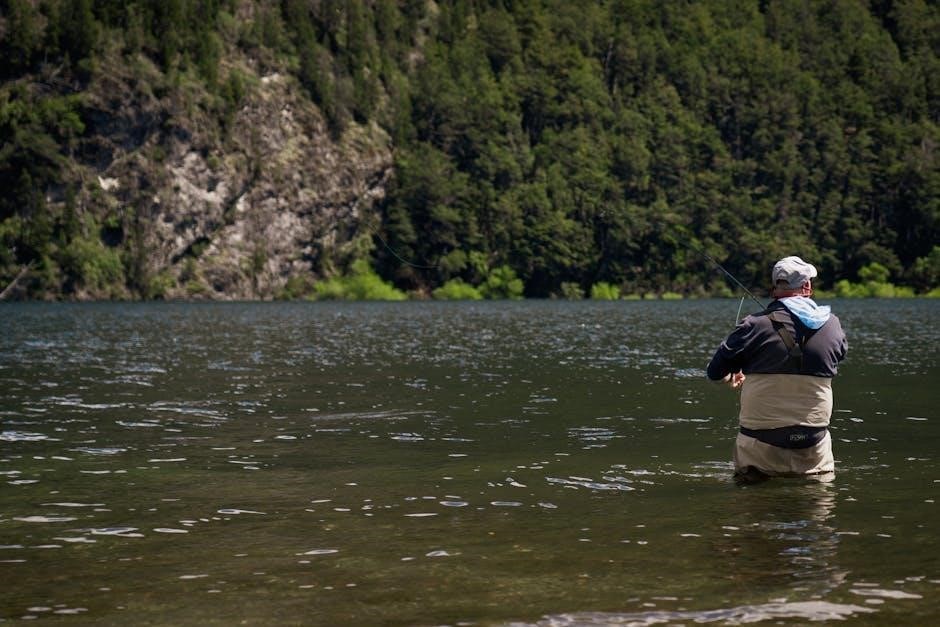
Ray Hubbard’s fishing thrives year-round, with spring bringing active spawners, summer offering deep-water patterns, fall showcasing feeding frenzies, and winter providing slower bites.
Spring Fishing
Spring on Lake Ray Hubbard ignites a flurry of activity as fish emerge from their winter dormancy, driven by the urge to spawn. Largemouth bass move into shallow coves and creeks, seeking warmer waters and suitable nesting sites. This period presents excellent opportunities for anglers employing shallow-water techniques like spinnerbaits, crankbaits, and plastic worms.
Crappie also become more active, congregating around submerged brush and structures in preparation for spawning. Jig fishing is particularly effective during this time, targeting these areas with small jigs and minnows. Catfish begin to respond to warming temperatures, venturing into shallower areas to feed.
The pre-spawn and spawn phases offer some of the most productive fishing of the year, but remember to practice responsible catch-and-release to help maintain healthy fish populations for future seasons. Water temperatures steadily rise, creating ideal conditions for a variety of species.
Summer Fishing
Summer on Lake Ray Hubbard demands adjustments to fishing strategies due to warmer water temperatures and altered fish behavior. Largemouth bass often seek refuge in deeper, cooler waters or around shaded structures during the hottest parts of the day. Deep-water techniques, such as Carolina rigging and drop-shotting, become more effective. Early morning and late evening offer prime opportunities for topwater action as bass move into shallower areas to feed.
Crappie typically suspend at mid-depths near brush piles and submerged timber. Jigging and using minnows under a bobber are productive methods; Catfish remain active throughout the summer, often feeding at night. Stinkbait and cut bait are popular choices for targeting these bottom-dwellers.
Staying hydrated and protecting yourself from the sun are crucial during summer fishing trips.
Fall Fishing
Fall presents a fantastic period for fishing on Lake Ray Hubbard as cooling water temperatures trigger increased fish activity. Largemouth bass begin a pre-winter feeding frenzy, aggressively pursuing baitfish in shallower areas. Spinnerbaits, crankbaits, and swimbaits become highly effective lures. Focus on points, creek channels, and areas with submerged vegetation.
Crappie school up in larger numbers as they prepare for the winter, making them easier to locate. Jigging around brush piles and bridge pilings can yield impressive catches. Catfish continue to feed actively, responding well to cut bait and stinkbait fished on the bottom.
The changing foliage adds to the scenic beauty of fall fishing trips on Ray Hubbard.
Winter Fishing
Winter fishing on Lake Ray Hubbard requires adapting to slower fish metabolism due to colder water. While not as frenetic as other seasons, productive fishing is still achievable. Largemouth bass become less active and congregate in deeper water near structure. Slow-moving presentations like jigs and Carolina rigs are effective. Target submerged timber and creek channels.
Crappie fishing can be excellent during winter as they remain relatively active. Slow jigging with minnows or small tubes around brush piles is a proven technique. Catfish activity slows down, but they can still be caught by fishing cut bait on the bottom in deeper areas.
Dress warmly and be prepared for potentially windy conditions.
Local Fishing Guides & Charters
Experienced guides enhance your Ray Hubbard experience, providing local expertise, equipment, and tailored strategies for successful fishing adventures.
Benefits of Hiring a Guide
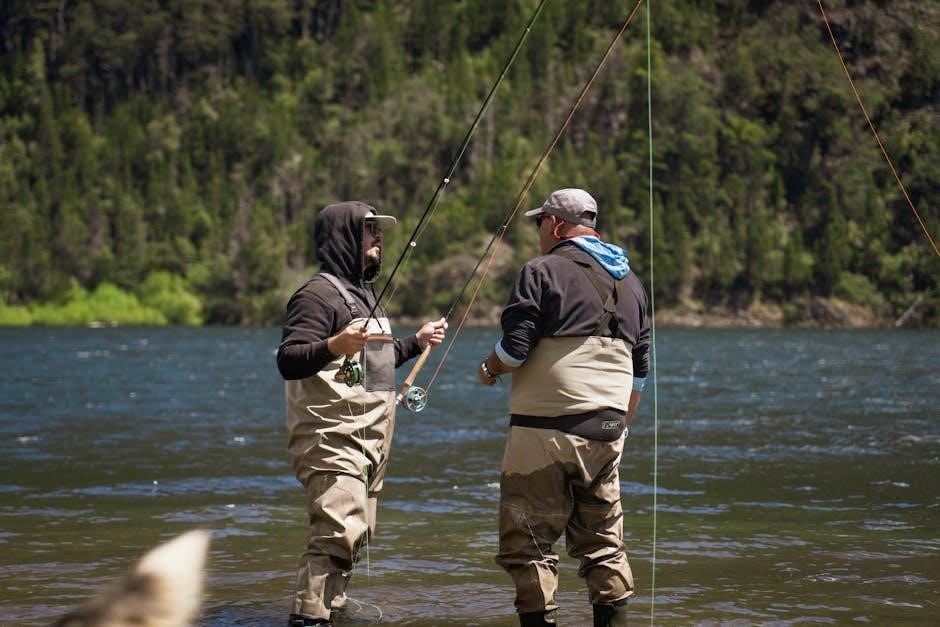
Employing a local fishing guide on Lake Ray Hubbard delivers substantial advantages, particularly for those unfamiliar with the lake’s intricacies. Guides possess an intimate understanding of seasonal fish patterns, prime fishing locations, and effective bait/lure selections, dramatically increasing your chances of a rewarding catch. They expertly navigate the lake, utilizing advanced fish-finding technology to pinpoint productive areas, saving you valuable time and effort.
Furthermore, guides provide all necessary equipment – rods, reels, tackle, and safety gear – eliminating the need for personal investment or transport. They also offer invaluable instruction on proper fishing techniques, enhancing your skills and knowledge. A guide handles licensing and regulation compliance, ensuring a hassle-free experience. Ultimately, hiring a guide transforms a potentially frustrating outing into a productive and enjoyable fishing adventure, maximizing your time on the water and creating lasting memories.
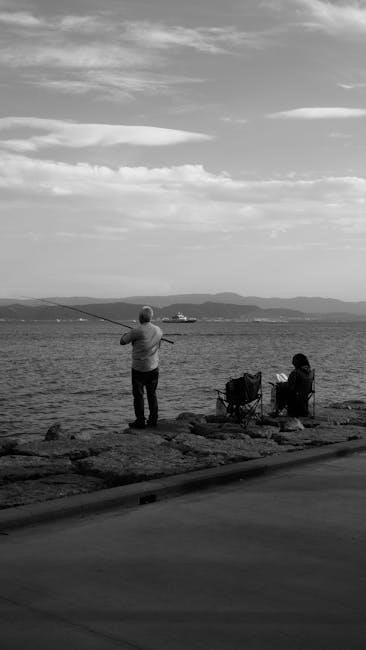
Finding Reputable Guides
Locating a trustworthy fishing guide on Lake Ray Hubbard requires diligent research. Begin by exploring online platforms specializing in fishing charters and guides, carefully reviewing customer testimonials and ratings. Check for guides with appropriate licensing and insurance, verifying their credentials with local authorities. Seek recommendations from local tackle shops, marinas, and fellow anglers – word-of-mouth referrals are often invaluable.
Prioritize guides with extensive experience specifically on Ray Hubbard, demonstrating a deep understanding of the lake’s unique characteristics. Inquire about their specialization – do they focus on bass, catfish, or crappie? Ensure clear communication regarding pricing, trip duration, and included services. A reputable guide will readily answer your questions and provide a detailed itinerary. Don’t hesitate to compare multiple guides before making a decision, selecting one that aligns with your fishing goals and preferences.
Safety Considerations
Prioritize safety on Ray Hubbard by monitoring weather forecasts and adhering to boating regulations. Always wear life jackets, maintain situational awareness, and inform someone of your plans.
Weather Awareness
Lake Ray Hubbard’s weather can change rapidly, demanding constant vigilance from anglers. Before heading out, thoroughly check the marine forecast, paying close attention to wind speed, direction, and potential for thunderstorms. Summer brings intense heat and humidity, necessitating hydration and sun protection. Spring and fall can experience sudden cold fronts, requiring layered clothing.
Be particularly aware of the possibility of strong winds, which can quickly create hazardous conditions for smaller boats. Lightning is a serious threat during thunderstorms; seek shelter immediately if a storm approaches. Utilize weather apps and NOAA radio for real-time updates. Understanding and respecting the lake’s weather patterns is crucial for a safe and enjoyable fishing experience. Never underestimate the power of nature while on the water.
Boating Safety Rules
Lake Ray Hubbard requires strict adherence to boating safety regulations. Always wear a properly fitted life jacket – it’s the law! Ensure your boat is equipped with all required safety gear, including flares, a fire extinguisher, and a sound-producing device. Maintain a safe speed, especially in congested areas or near shorelines. Be mindful of other boaters, swimmers, and wildlife.
Never operate a boat under the influence of alcohol or drugs. Familiarize yourself with navigation rules and aids to navigation. Carry a marine radio for communication in emergencies. Conduct a pre-departure checklist to ensure everything is in working order. Report any accidents or hazardous conditions to the authorities. Prioritizing boating safety ensures a pleasant outing for everyone on the lake.