
Welcome! This 2014 Honda CR-V manual details operation, maintenance, and features․ Access a downloadable version or seek assistance from fellow owners online today․
Understanding the Purpose of the Manual
This owner’s manual is your comprehensive guide to maximizing the enjoyment and longevity of your 2014 Honda CR-V․ It’s designed to familiarize you with the vehicle’s operation, maintenance procedures, and various features․ Understanding its contents ensures safe and efficient driving․
The manual details everything from basic controls to complex systems, offering insights into potential issues and solutions․ It also clarifies warranty coverage and claim procedures․ Remember, descriptions may include equipment not present on your specific model – images illustrate available options․ Utilize this resource to fully understand and appreciate your CR-V’s capabilities, and to maintain its performance for years to come․
Important Safety Information
Your safety is paramount․ This manual contains crucial warnings and precautions regarding vehicle operation․ Always read and understand these before driving your 2014 Honda CR-V․ Ignoring safety information can lead to serious injury or death․

Pay close attention to sections detailing airbags, seatbelts, and child restraint systems․ Proper usage is vital for protection in a collision․ Be aware of potential hazards related to fluids, electrical components, and moving parts during maintenance․ Never attempt repairs beyond your skill level․ This manual aims to promote responsible vehicle ownership and safe driving practices․ Prioritize safety for yourself and others on the road․

Vehicle Identification
Locate your CR-V’s unique identifiers! This section details how to find the Vehicle Identification Number (VIN) and engine/transmission specifics․
Vehicle Identification Number (VIN) Location
Identifying your vehicle is crucial for service, warranty claims, and theft recovery․ The 17-digit Vehicle Identification Number (VIN) is unique to your 2014 Honda CR-V․ You can find this important number in several locations on your vehicle․
Look on the driver’s side dashboard, visible through the windshield on the lower left corner․ It’s also located on the driver’s side doorjamb, affixed to a sticker․ Additionally, the VIN is stamped on the vehicle’s registration and insurance documents․ Always verify the VIN matches across all documentation to ensure accuracy․ Keeping a record of your VIN is highly recommended for quick reference․
Engine and Transmission Information
Your 2014 Honda CR-V is equipped with a reliable powertrain designed for efficiency and performance․ Most models feature a 2․4-liter, inline-4 cylinder engine producing 185 horsepower and 181 lb-ft of torque․ This engine is paired with a Continuously Variable Transmission (CVT) for smooth and efficient operation․
Some CR-V trims may offer an available 3․6-liter V6 engine, delivering 276 horsepower and 252 lb-ft of torque, coupled with a 5-speed automatic transmission․ Understanding your specific engine and transmission type is vital for proper maintenance and fluid checks, as outlined in the maintenance schedule within this manual․

Operating Your Vehicle
Learn to safely start, drive, and refuel your 2014 CR-V․ Explore driving modes and features for optimal performance and a comfortable experience․
Starting and Stopping the Engine
Starting your 2014 Honda CR-V is straightforward: Ensure the parking brake is engaged, and your foot firmly presses the brake pedal․ Insert the key (or use the smart entry system) and turn it to the ‘II’ position․ Wait for the indicator lights to illuminate, then turn the key to the ‘START’ position․ Release the key once the engine starts․
To stop the engine, gently apply the brakes to bring the vehicle to a complete halt․ Shift the transmission into ‘P’ (Park)․ Turn the ignition key to the ‘LOCK’ position and remove the key․ Always ensure the vehicle is fully stopped before shifting into Park to prevent damage to the transmission․
Important Note: Never start or stop the engine while the vehicle is in motion․
Driving Modes and Features
The 2014 Honda CR-V primarily features standard driving modes – offering a comfortable and efficient experience for daily commutes․ While not equipped with selectable drive modes like some newer vehicles, it boasts Real Time AWD on select trims․ This system automatically engages all-wheel drive when it detects wheel slippage, enhancing stability in various conditions․
Key features include: Eco Assist, which optimizes fuel efficiency by adjusting throttle response and other systems․ Cruise control allows for maintaining a set speed on highways․ The vehicle also incorporates Vehicle Stability Assist (VSA) and Traction Control System (TCS) for enhanced safety and control during driving․
Fueling and Refueling
The 2014 Honda CR-V requires unleaded gasoline with an octane rating of 87 or higher․ The fuel tank capacity is 15․3 gallons․ Always ensure the vehicle is on a level surface and the engine is off before refueling․ Carefully remove the fuel filler cap and insert the nozzle fully into the filler neck․
Important reminders: Avoid overfilling the tank, as this can damage the evaporative emissions control system․ Never smoke or use open flames near the fuel tank․ After refueling, securely replace the fuel filler cap and close the fuel filler door․ Refer to the owner’s manual for specific fuel recommendations and safety precautions․

Maintenance
Regular upkeep is key! Follow the recommended schedule for fluid checks, replacements, and tire care to ensure your 2014 CR-V’s longevity and performance․
Recommended Maintenance Schedule
Maintaining peak performance for your 2014 Honda CR-V requires adherence to a specific maintenance schedule․ Key intervals include fluid checks (oil, coolant, brake fluid, power steering) every 7,500-10,000 miles, or annually, whichever comes first․
Essential services at 30,000 miles involve inspecting drive belts, hoses, and the exhaust system․ Tire rotation is crucial every 5,000 miles for even wear․ Air filter replacement should occur every 15,000-30,000 miles, depending on driving conditions․ Spark plugs typically require replacement around 100,000 miles․
Don’t neglect the transmission fluid; a change is recommended around 30,000-60,000 miles․ Regularly consult your owner’s manual for detailed specifics tailored to your driving habits and environment, ensuring a reliable and long-lasting vehicle․
Fluid Checks and Replacements
Regular fluid maintenance is vital for your 2014 Honda CR-V’s health․ Check engine oil levels weekly, and replace it every 7,500-10,000 miles using the recommended grade․ Coolant levels should be inspected monthly, topped up as needed, and fully flushed every 30,000 miles․
Brake fluid absorbs moisture, reducing effectiveness; flush and replace it every two to three years․ Power steering fluid should be checked periodically, and replaced if contaminated․ Transmission fluid is critical; change it around 30,000-60,000 miles to prevent damage․
Always use Honda-approved fluids to ensure compatibility and optimal performance․ Proper fluid levels and timely replacements contribute significantly to longevity and reliability․
Tire Maintenance and Information
Maintaining proper tire pressure is crucial for safety, fuel efficiency, and tire life on your 2014 Honda CR-V․ Check pressure monthly when tires are cold, referencing the sticker on the driver’s side doorjamb for recommended PSI․ Regularly inspect tires for wear, damage, and uneven tread․
Rotate tires every 5,000-7,500 miles to promote even wear․ Ensure correct wheel alignment to prevent premature or irregular tire degradation․ The 2014 CR-V typically uses tires with a specific load index and speed rating – adhere to these specifications when replacing․
Consider seasonal tire changes for optimal performance in varying weather conditions․ Properly inflated and maintained tires enhance handling and braking performance․

Features and Controls
Explore the 2014 CR-V’s intuitive controls, including the audio system, climate controls, and adjustable seats, for a comfortable and connected driving experience․
Audio System Operation
Your 2014 Honda CR-V’s audio system offers a range of features for enjoyable listening․ The system typically includes an AM/FM radio, a CD player, and auxiliary input for connecting external devices․ Many models also feature Bluetooth connectivity for wireless audio streaming from smartphones and hands-free calling․
To operate the system, use the central touchscreen display or the physical buttons and knobs․ Adjust volume using the volume knob or steering wheel controls․ Source selection allows you to switch between radio, CD, auxiliary, and Bluetooth․ Explore menu options for customizing sound settings like bass, treble, and fader․ Refer to the owner’s manual for detailed instructions on pairing devices and utilizing all available features․
Climate Control System
The 2014 Honda CR-V’s climate control system provides heating, cooling, and ventilation for passenger comfort․ Most models feature automatic climate control, maintaining a set temperature automatically․ Manual controls allow for precise adjustments to fan speed, temperature, and airflow direction․
Operation is straightforward: use the temperature dial to select your desired temperature, and the fan speed control to adjust airflow․ Buttons control airflow direction – face, feet, or defrost․ The A/C button activates the air conditioning for cooling․ Utilize the recirculation mode to quickly cool the cabin or prevent outside odors from entering․ Consult your owner’s manual for specific details regarding your vehicle’s climate control features․
Seat Adjustments and Features
The 2014 Honda CR-V offers a range of seat adjustments for optimal driver and passenger comfort․ Most models include manual seat adjustments for fore/aft positioning, seat height, and backrest angle․ Some trims feature power-adjustable driver’s seats, offering enhanced convenience․
To adjust your seat, locate the levers or switches positioned on the side of the seat․ Utilize these controls to find a comfortable and supportive driving position․ Many CR-V models also include adjustable headrests for proper neck support․ Certain trims may offer features like lumbar support adjustment․ Always ensure your seat is properly adjusted before driving to maximize safety and comfort during your journey․
Troubleshooting
Encountering issues? This section provides solutions for common problems and explains warning lights, helping you quickly diagnose and address vehicle concerns․
Common Issues and Solutions
Addressing typical concerns with your 2014 CR-V is straightforward․ Many owners report occasional audio system glitches; resetting the unit often resolves this․ Another frequent issue involves the automatic transmission, sometimes exhibiting slight hesitation․ Ensuring proper fluid levels and condition can mitigate this․
For starting problems, check the battery connections and consider a charge if needed․ Tire pressure monitoring system (TPMS) alerts are common – verify tire pressures regularly; If experiencing issues with heated grips (as seen in NC750X installations, principles apply), ensure proper connections and cement application if applicable․ Remember to consult a qualified technician for complex repairs beyond basic troubleshooting․
Warning Lights and Indicators
Understanding your CR-V’s dashboard is crucial for safe operation․ The illumination of the check engine light demands immediate attention – a diagnostic scan is recommended․ A flashing oil pressure light signifies a critical issue; stop driving immediately to prevent engine damage․ The battery warning light indicates a charging system problem, potentially due to a faulty alternator or battery․
The brake warning light can signal low brake fluid or an issue with the parking brake․ ABS and VSA (Vehicle Stability Assist) lights require investigation, potentially indicating sensor malfunctions․ Familiarize yourself with all indicator symbols in this manual; ignoring them could lead to more significant, costly repairs, similar to addressing issues found in other Honda models like the NC750X․

Specifications
Key details include dimensions, weight, and engine specifics for the 2014 CR-V․ Refer to this section for precise technical data regarding your vehicle․
Dimensions and Weight
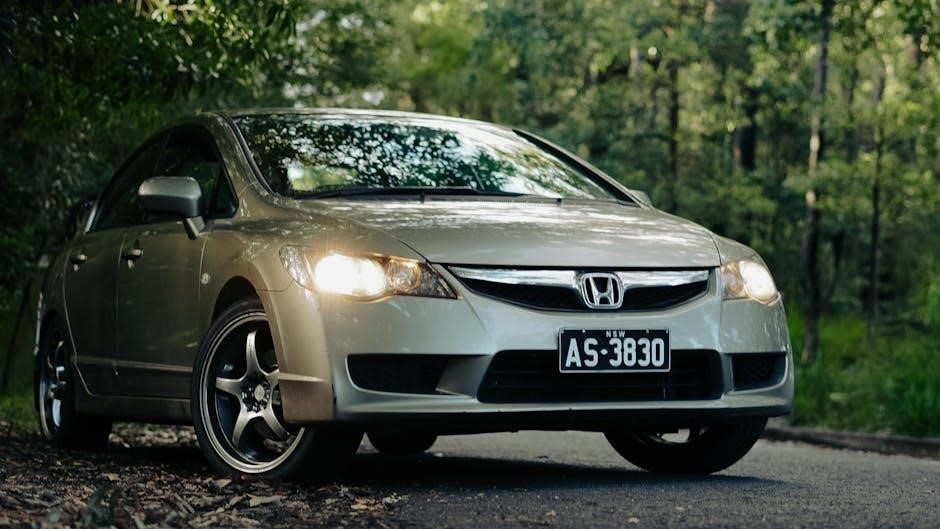
Understanding the physical characteristics of your 2014 Honda CR-V is crucial for various situations, from parking in tight spaces to assessing cargo capacity․ The CR-V boasts a length of approximately 179․4 inches (4556 mm), a width of 71․6 inches (1820 mm), and a height ranging from 66․1 to 67․8 inches (1679-1722 mm) depending on the trim level․
The wheelbase measures around 103․1 inches (2619 mm), contributing to a stable ride․ Curb weight varies based on drivetrain and features, typically falling between 3328 and 3568 pounds (1509-1618 kg)․ These figures are essential for calculating load limits and understanding the vehicle’s overall footprint․ Always consult official Honda documentation for precise measurements related to your specific CR-V model․
Engine Specifications
The 2014 Honda CR-V is primarily equipped with a 2․4-liter inline-4 cylinder engine, designated as the K24Z7․ This engine delivers a respectable 185 horsepower at 6,000 rpm and 181 lb-ft of torque at 3,900 rpm․ It features SOHC valve actuation and utilizes Honda’s i-VTEC (Variable Valve Timing and Lift Electronic Control) system for optimized performance and fuel efficiency․
The engine boasts a compression ratio of 10․5:1 and requires unleaded gasoline with an octane rating of 87 or higher․ It’s paired with a Continuously Variable Transmission (CVT) for smooth and efficient power delivery․ Understanding these specifications aids in proper maintenance and troubleshooting, ensuring optimal engine longevity and performance․

Warranty Information
Your 2014 CR-V is covered by Honda’s standard warranties, including bumper-to-bumper and powertrain coverage․ Details regarding claim procedures are included herein․
Warranty Coverage Details
Honda’s warranty for the 2014 CR-V provides comprehensive coverage for defects in materials or workmanship․ The standard new vehicle warranty extends for 3 years/36,000 miles, whichever comes first․ Additionally, the powertrain warranty covers the engine, transmission, and drivetrain for 5 years/60,000 miles․
Certain components, like wear items, may have limited or different coverage․ Corrosion coverage is also provided, with specific limitations outlined in the warranty booklet․ To maintain warranty validity, adhere to the recommended maintenance schedule detailed within this manual․ Proper documentation of all service is crucial for any warranty claim․
For complete details, refer to the separate warranty booklet provided with your vehicle․ It contains specific terms, conditions, and exclusions․ Contact your authorized Honda dealer for claim procedures and assistance․
Claim Procedures
To initiate a warranty claim for your 2014 Honda CR-V, first contact your authorized Honda dealership’s service department․ Schedule an appointment and clearly describe the issue you are experiencing․ Ensure you bring your vehicle’s owner’s manual and any relevant service records․
The dealership’s technicians will diagnose the problem and determine if it’s covered under warranty․ If approved, they will submit the claim to Honda on your behalf․ Keep copies of all paperwork, including repair orders and claim documentation․
For claim inquiries or disputes, contact Honda Customer Relations directly․ Be prepared to provide your VIN, claim number, and a detailed explanation of the situation․ Prompt communication and thorough documentation are key to a smooth claim process․